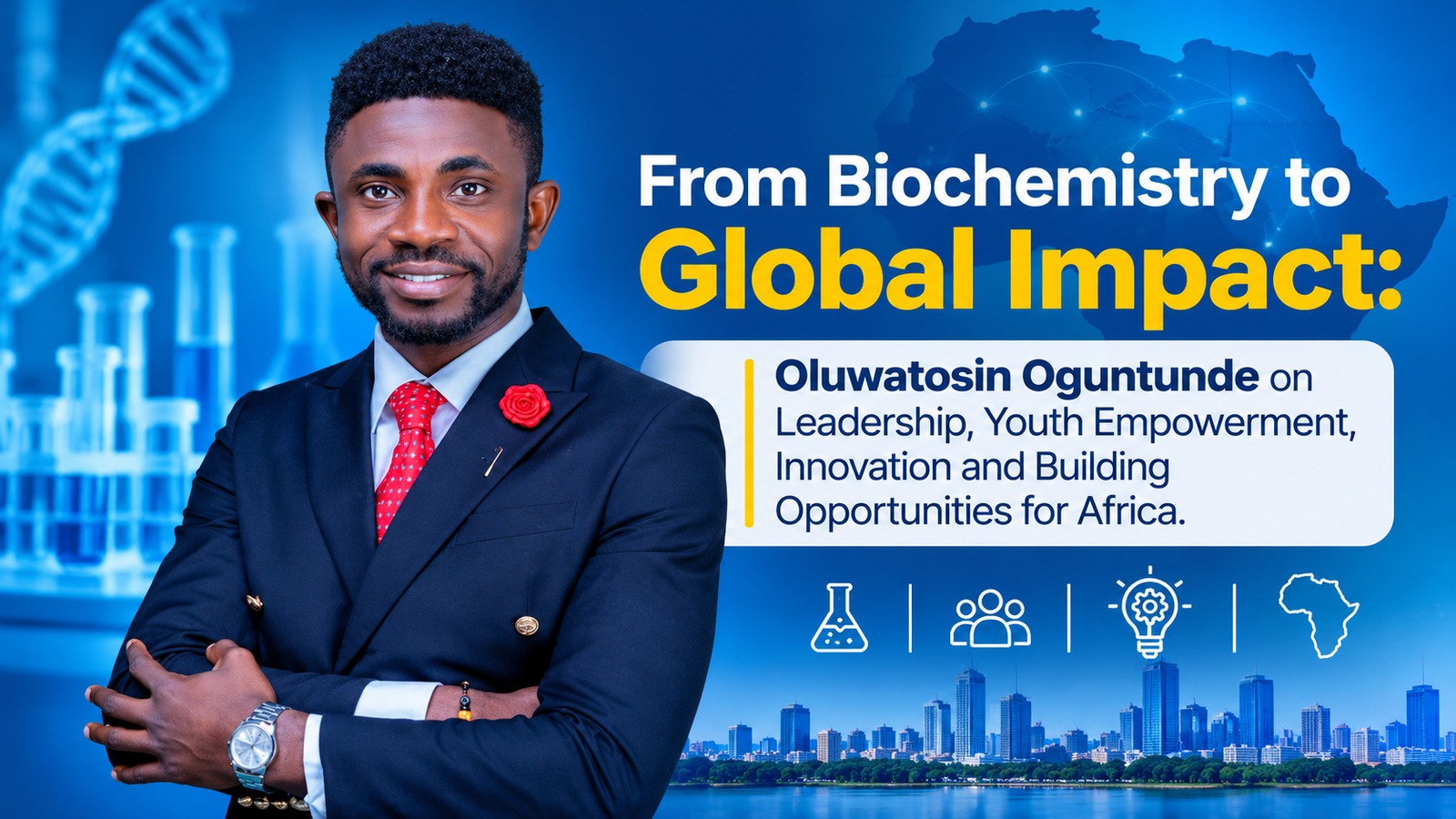
What happens when your academic background takes you in one direction, but your passion leads you somewhere entirely different? For some people, the journey from discovering their purpose to making a meaningful impact is not a straight line. It is a process of exploration, learning, taking responsibility and recognising opportunities to make a difference.
In this edition of XCROW Spotlight, we feature Oluwatosin Oguntunde, a Nigerian project management professional, social entrepreneur and youth development advocate whose work is focused on creating opportunities, strengthening communities and empowering young people.
Oluwatosin serves as the Global Project Coordinator of Volunteers for Cause, a global volunteering initiative of World Merit. He is also the Founder and Chief Executive Officer of the Initiative for Transformative Advancement and Innovation-Driven Development Africa, an organisation focused on education, innovation and sustainable development. His professional journey also includes contributing to the coordination of more than 2,000 volunteers through the pandemic-era initiative, Volunteers for COVAX, which later transitioned into Volunteers for Cause.
With an academic foundation in Medical Biochemistry from Ladoke Akintola University of Technology and an ongoing MBA programme in Entrepreneurship and Innovation at Miva Open University, his story challenges the idea that one’s first degree must determine one’s entire career path. Instead, it demonstrates how curiosity, transferable skills, continuous learning and a willingness to embrace new responsibilities can open unexpected doors.
But beyond the titles and professional accomplishments lies a deeper commitment: helping young Africans recognise their potential and gain access to opportunities that can transform their personal and professional lives.
In this conversation, we explore his transition from Biochemistry into project management and social entrepreneurship, the realities of coordinating volunteers across different countries, the importance of building sustainable community initiatives, and the role of innovation, collaboration and leadership in addressing Africa’s development challenges.
He also shares practical advice for young people seeking career opportunities, professional growth and international exposure, as well as his vision for the future of volunteering and youth development across Africa.
His message is particularly relevant in a world where talent is abundant, but access to opportunity remains uneven.
This is a conversation about finding purpose, creating opportunities, building people and turning ideas into meaningful impact.
XCROW SPOTLIGHT
The People. The Stories. The Ideas Shaping Tomorrow.
Featuring: Oluwatosin Oguntunde
Global Project Coordinator, Volunteers for Cause, World Merit
Founder and Chief Executive Officer, Initiative for Transformative Advancement and Innovation-Driven Development Africa
Complete Interview Responses | November 2026

SECTION 1: THE PERSON BEHIND THE WORK
My name is Oluwatosin Oguntunde. I am a Nigerian project management professional, social entrepreneur, and someone who is passionate about creating opportunities for young people and helping communities grow.
I studied Medical Biochemistry at Ladoke Akintola University of Technology. Interestingly, while I was studying, I was already involved in youth development, volunteering, and community projects. Over time, I realised that I enjoyed working with people, bringing ideas together, organising projects, and seeing those ideas turn into something meaningful.
That was how my journey into project management started. It was not something I had planned from the beginning. I simply kept taking on responsibilities, learning from my experiences, and developing my skills along the way.
Today, I work as the Global Project Coordinator of Volunteers for Cause, a global volunteering initiative of World Merit. I am also the Founder and Chief Executive Officer of the Initiative for Transformative Advancement and Innovation-Driven Development Africa.
I am currently in the final stage of my Master of Business Administration programme in Entrepreneurship and Innovation at Miva Open University. For me, pursuing this degree is another opportunity to strengthen my understanding of business, leadership, innovation, and how to build sustainable solutions to real-world problems.
Looking back, I believe my background in Biochemistry has been valuable. It taught me how to think critically, analyse problems, and approach challenges systematically. Now, through my postgraduate studies and professional experience, I am learning how to combine those skills with business thinking, innovation, and project management to create meaningful impact.
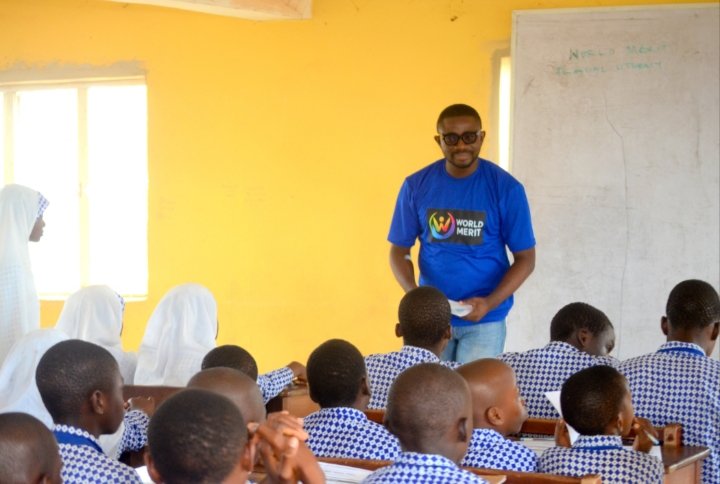
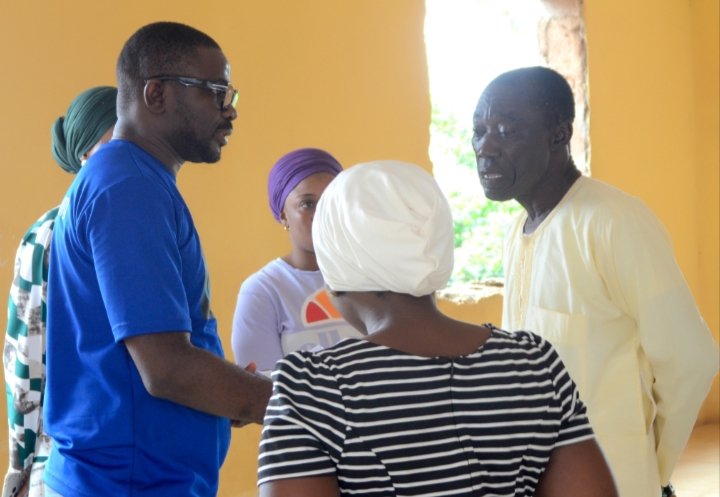
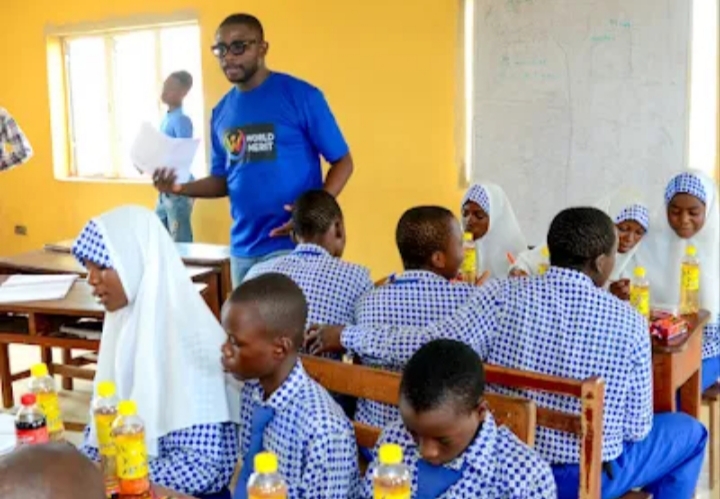
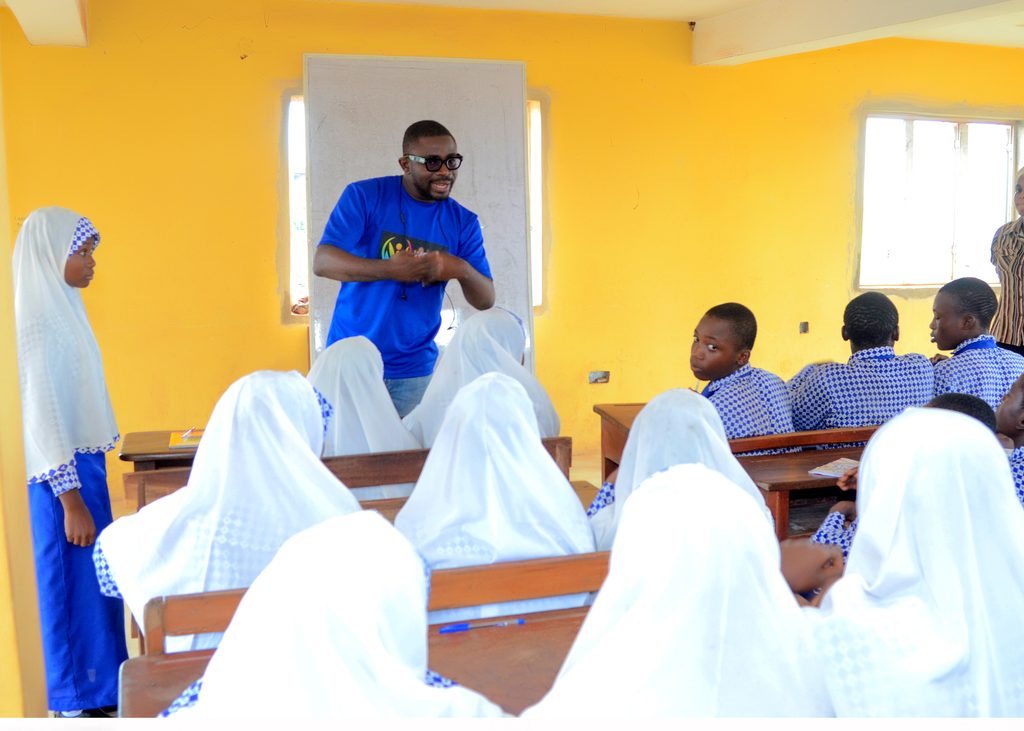
I think it started with seeing how many young people around me had potential but did not necessarily have access to opportunities that could help them grow.
You meet someone who is intelligent, hardworking, and full of ideas, but because they do not have the right connections, resources, or guidance, they struggle to move forward. I kept asking myself, what can we do differently? How can we create opportunities for people who might not ordinarily have access to them?
That was what drew me into volunteering and community development. I also discovered that when you give young people the right support and an opportunity to contribute, many of them can achieve remarkable things. So, for me, it has always been about helping people see what is possible and supporting them to take that next step.
3. Looking back at your professional journey, which particular role, project or experience has had the greatest influence on your leadership philosophy and career development?
I would say my experience with the pandemic-era volunteering initiative known as Volunteers for COVAX, particularly how we transitioned the initiative into what is now Volunteers for Cause.
During the Coronavirus Disease 2019 pandemic, I worked as the Global Outreach and Engagement Lead, supporting the coordination of a volunteer network of over 2,000 people across different countries. Imagine working with people from different backgrounds, cultures, and time zones, many of whom you had never met physically, but who were all committed to contributing to something meaningful.
That experience really changed how I understood leadership. When we began transitioning the initiative into Volunteers for Cause, I was actively involved in helping shape how we could sustain the network and expand our work beyond the pandemic.
Today, seeing volunteers lead community projects, develop their skills, and take ownership of initiatives reminds me why that transition was important. One thing I have learned is that leadership is not about being the person who does everything. It is about creating an environment where other people can step forward, take responsibility, and succeed.
4. What has been one of the most challenging experiences in your career, and what important lessons did you take away from it?
One of the biggest challenges has been managing volunteer engagement, especially across different countries. You know, when people volunteer, they are giving their time alongside their jobs, studies, family responsibilities, and other commitments.
So, even when someone is genuinely passionate about a cause, it does not always mean they can remain consistently active. There have been times when we recruited volunteers who were very enthusiastic initially, but their participation reduced over time.
That made me realise that getting people interested is only one part of the work. You also need to create a structure that helps them remain engaged. We have had to improve how we communicate, support our leaders, organise training, and recognise people’s contributions.
The biggest lesson for me is that you cannot build a sustainable initiative on passion alone. You need good leadership, clear expectations, and systems that allow people to contribute meaningfully.
SECTION 2: VOLUNTEERS FOR CAUSE AND GLOBAL IMPACT
5. For readers who may not be familiar with Volunteers for Cause, could you explain its mission, how it operates and the kind of impact it seeks to create in communities around the world?
Volunteers for Cause is a global volunteering initiative of World Merit. What we basically do is bring people together, support them to develop their leadership skills, and create opportunities for them to address challenges in their communities.
We have volunteers and local chapters working on different issues, including education, financial literacy, climate action, public health, and community development. We also provide learning opportunities through World Merit’s Action University, where volunteers can develop skills that help them become more effective in their work.
One thing I particularly appreciate about our model is that we encourage people to take action within their own communities. You do not necessarily have to travel somewhere or wait for a large organisation to organise a project before you can contribute.
As of August 2026, our volunteer database had grown to over 5,000 people, and we had created more than 100 chapters across our network. But beyond these numbers, what matters to me is seeing volunteers actually doing something useful, whether that is teaching students, organising community activities, or helping people access information and opportunities.
That is really what Volunteers for Cause is about: turning the willingness to help into meaningful action.
My work involved reaching out to people, bringing volunteers on board, keeping them engaged, and supporting coordination across different countries.
Because it was during the pandemic, there was a strong sense of urgency. People wanted to contribute, even when they could not physically be present in the communities where support was needed. We were able to build a network of over 2,000 volunteers, and that experience showed me how much can be achieved when people come together around a shared purpose.
But I also learned that you have to make participation practical. People need to understand what they are contributing to, what is expected of them, and how their efforts fit into the bigger picture.
Another important lesson was that local people often understand their community challenges better than anyone else. So rather than trying to control everything centrally, it is important to support local leadership and allow people to develop solutions that make sense in their communities.
For me, communication is very important. I try to make sure people understand what we are working towards, what opportunities are available, and how they can contribute.
We organise regular meetings, training sessions, mentorship activities, and opportunities for volunteers to connect with one another. I also believe in giving people responsibility. When someone becomes a chapter leader, for example, we want that person to feel a sense of ownership, rather than simply waiting for instructions from the global team.
Of course, not everything works perfectly. There are times when engagement drops, and we have to understand why and adjust our approach. I have learned to listen to volunteers, understand their challenges, and create opportunities that are meaningful to them.
At the end of the day, people are more likely to remain involved when they feel valued, supported, and able to see the difference they are making.
8. Many young Africans want to volunteer but are unsure where to start or how volunteering can contribute to their professional development. What advice would you give them?
My advice is to start with what you have and where you are. You do not need to wait until you join an international organisation before you can become a volunteer.
Look around your community. There are probably schools, local organisations, or community groups that could benefit from your time or skills. If you are good at teaching, you can support students. If you are interested in technology, you can help a local organisation improve how it uses digital tools.
And if you want to build a career in project management, you can volunteer to coordinate activities or support community projects. The important thing is to be intentional about the experience.
Do not just volunteer because you want to add something to your Curriculum Vitae. Take the opportunity to learn, contribute, and build relationships. Sometimes, the experience you gain from one small project can become the foundation for much bigger opportunities.
9. Beyond the number of volunteers recruited or activities completed, how should organisations measure the actual impact and success of a volunteer programme?
I think this is something we need to pay more attention to in the development sector. It is easy to say we recruited 500 volunteers or organised 20 activities. Those numbers are important, but they do not tell the whole story.
For me, the real question is: what difference did those activities make? Let us say we organised a financial literacy programme for 200 students. Beyond the number of students reached, I would want to know what they actually learned. Can they now explain how to budget or save money? Has their understanding of financial decisions improved?
Those are the kinds of questions we should be asking. At Volunteers for Cause, we are also working towards improving how we document community actions and report their outcomes. I believe organisations should be able to show not just what they did, but what changed because of their work.
SECTION 3: CAREER DEVELOPMENT, SKILLS AND OPPORTUNITIES
10. Many young graduates struggle to secure employment because employers often require previous work experience. How can volunteering, internships and community projects help young Africans overcome this challenge?
I think volunteering and internships can help young graduates close that gap between what they have learned in school and what employers expect them to know. You can graduate with good academic results and still struggle because you have not had enough opportunities to apply your knowledge.
That is where practical experience becomes important. For example, someone who wants to become a project manager can volunteer to coordinate a community programme. Through that experience, they will learn how to plan activities, work with people, manage timelines, and report results. Those are real professional skills.
I always encourage young people to take volunteering seriously, especially when it aligns with their career interests. And importantly, document your achievements. If you coordinated a project that reached 100 people, that is something you should be able to explain confidently during a job interview.
You may not have been paid for the work, but the experience and skills you gained are still valuable.
11. With Artificial Intelligence, digital transformation and remote work changing the global employment landscape, which skills should young Africans prioritise to remain relevant and competitive?
I think young Africans need to become more intentional about learning skills that are relevant to the changing world of work. Artificial Intelligence is one area I would strongly encourage people to explore. And I do not mean everyone must become a programmer or Artificial Intelligence engineer.
You can learn how to use Artificial Intelligence tools to improve your work, solve problems, analyse information, automate repetitive tasks, or develop new ideas. For example, as someone working in project management, I am interested in how Artificial Intelligence and automation can help improve reporting, communication, and project delivery.
Beyond Artificial Intelligence, I would also recommend communication, data analysis, project management, critical thinking, and problem-solving. But there is something else I consider very important: the willingness to keep learning.
The skills that are valuable today may change in a few years. So, rather than depending entirely on what you learned in school, develop the habit of continuously improving yourself.
12. How can someone turn their volunteering experience, project coordination responsibilities or community development activities into a credible professional portfolio that can help them secure employment, freelance projects or international opportunities?
I would say the first thing is to start documenting your work. Many young people do amazing things through volunteering, but when you ask them what they have achieved, they struggle to explain it.
For example, instead of simply saying, “I volunteered with a Non-Governmental Organisation,” explain what you actually did. Did you coordinate a team? Organise an event? Support fundraising? Train people? Manage communications? What was the outcome?
You can turn these experiences into short project stories and share them on LinkedIn or include them in your professional portfolio. If you have photographs, reports, certificates, or recommendations from people you have worked with, those can also help.
For me, the goal is to make it easy for someone who has never worked with you to understand what you are capable of doing.
13. For young Africans interested in working with international Non-Governmental Organisations, development organisations and global initiatives, what practical steps would you recommend they take to position themselves for such opportunities?
First, I would encourage them to be clear about the kind of work they want to do. The development sector is broad. There are opportunities in project management, communications, research, fundraising, partnerships, monitoring and evaluation, and many other areas.
Once you know where your interests lie, start developing relevant skills. You can begin with local volunteering opportunities, internships, online courses, and professional communities. I would also encourage young people to build their LinkedIn profiles and connect with professionals working in organisations they admire.
Personally, participating in international programmes such as the African Presidential Leadership Programme in Egypt, the World Youth Forum, and the YouthSpark Residency in Rwanda helped me expand my network and learn from people with different experiences.
But I always say this: do not pursue international opportunities just because you want to travel. Think about what you want to learn, who you want to connect with, and how the experience will contribute to your long-term goals.
SECTION 4: SOCIAL ENTREPRENEURSHIP AND THE INITIATIVE FOR TRANSFORMATIVE ADVANCEMENT AND INNOVATION-DRIVEN DEVELOPMENT AFRICA
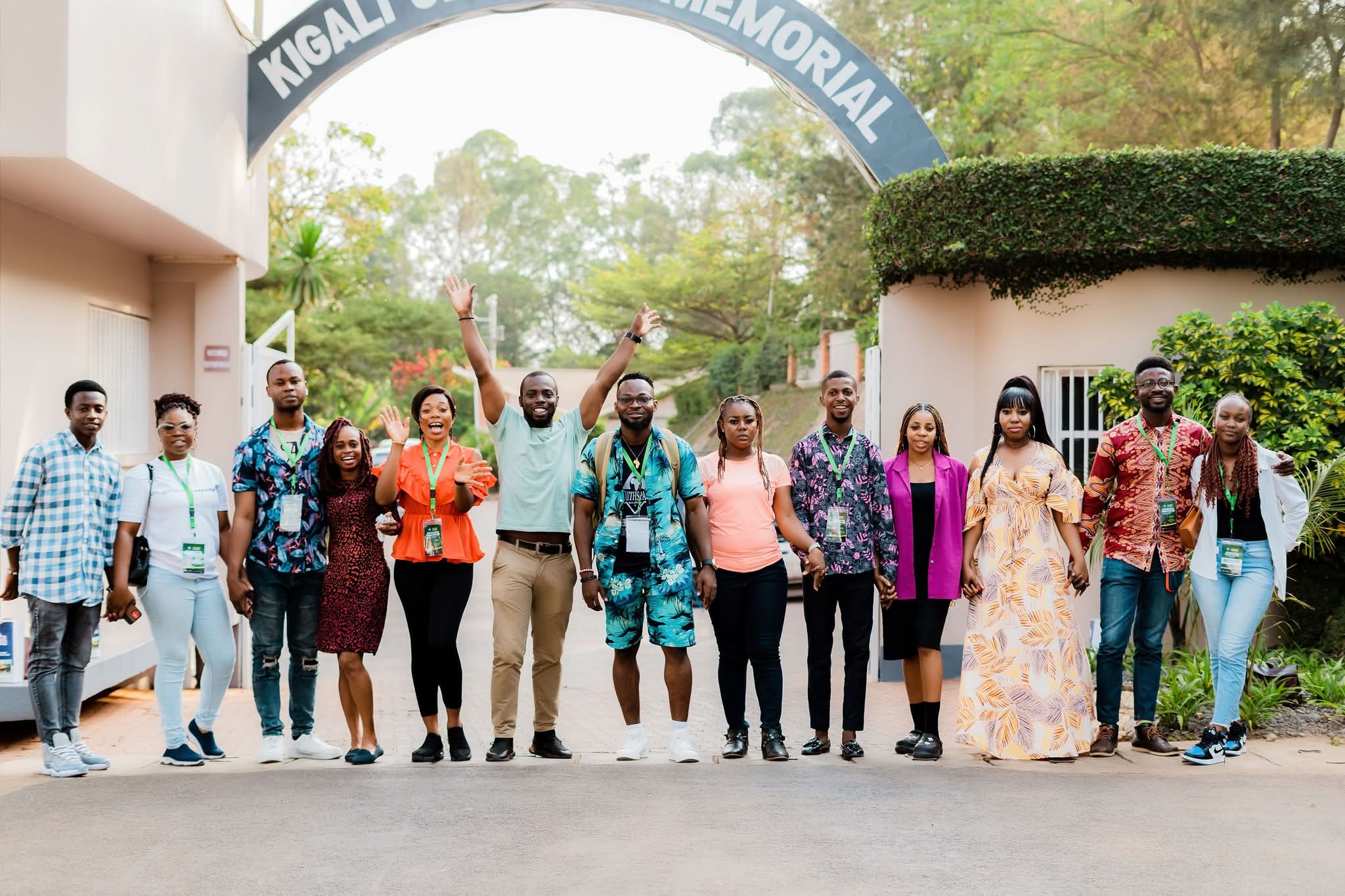
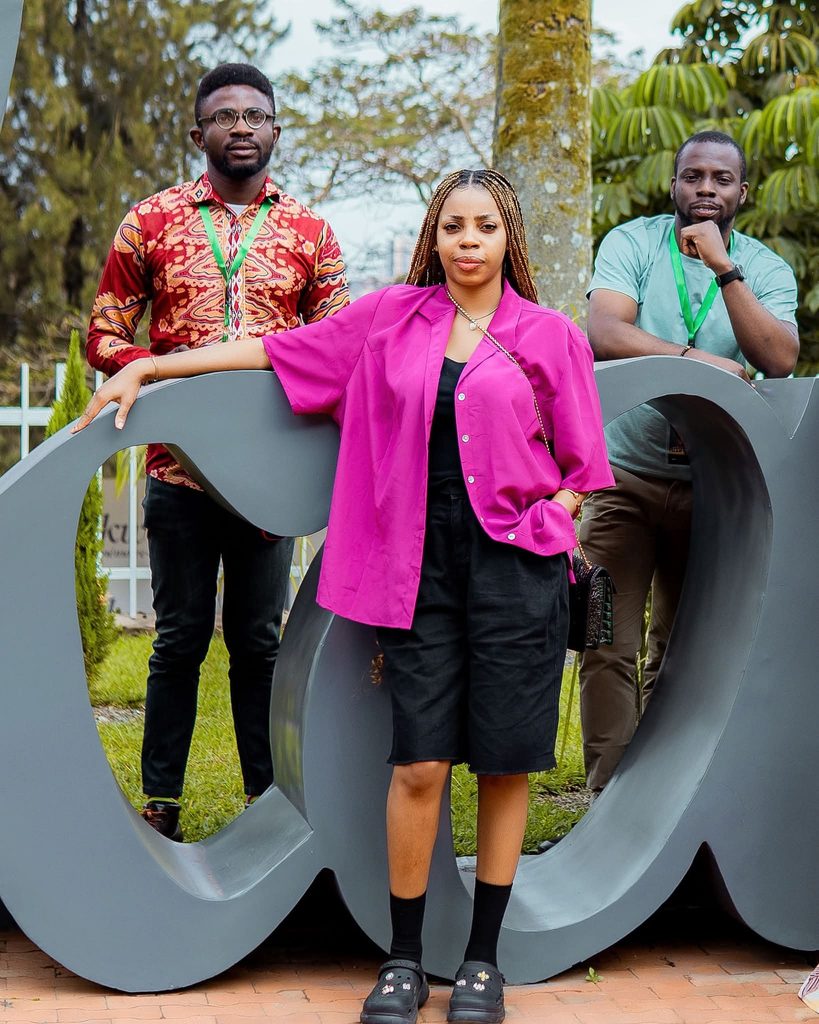
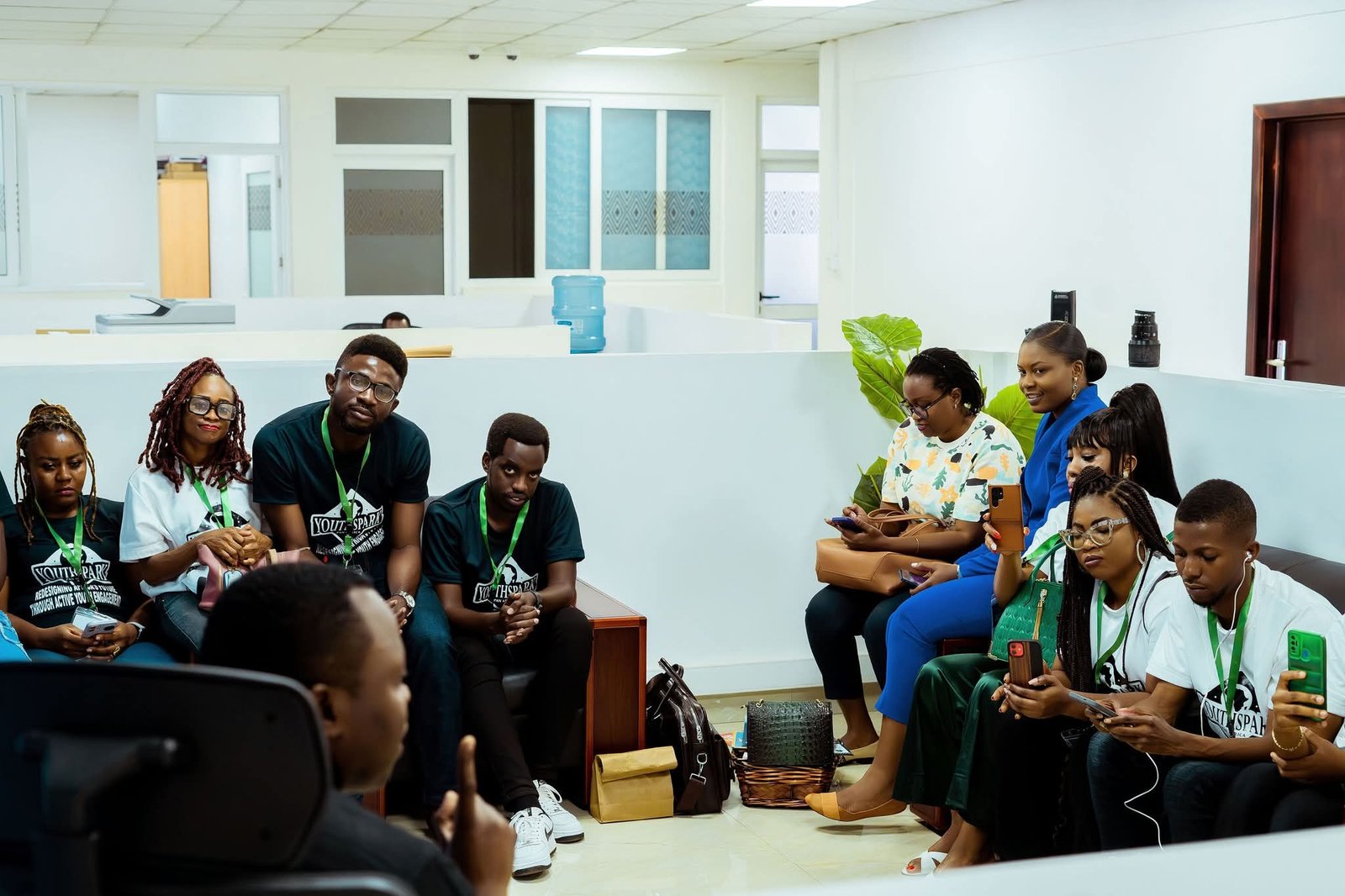
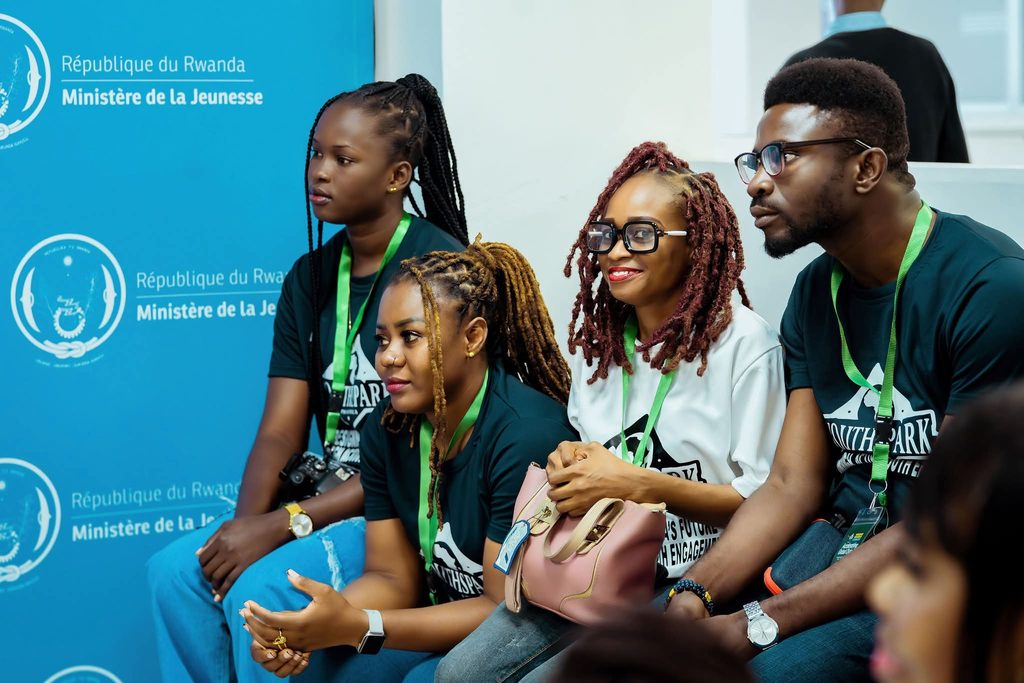
14. You are also the Chief Executive Officer of the Initiative for Transformative Advancement and Innovation-Driven Development Africa. What inspired the establishment of the organisation, what problems was it created to address, and what is its long-term vision?
The Initiative for Transformative Advancement and Innovation-Driven Development Africa came from my desire to contribute more directly to solving some of the problems affecting young people and communities in Africa.
Through my work over the years, I have seen how many young people struggle to access quality education, practical skills, mentorship, and opportunities that could help them improve their lives. And I kept thinking about how we could create solutions that do not just provide temporary support but actually help people become more independent and productive.
That thinking influenced the establishment of the organisation. The organisation is focused on using innovation, education, and community-driven approaches to address development challenges.
At this stage, I am particularly interested in strengthening our focus on access to quality education, skills development, and the use of technology to create more opportunities for young Africans.
My long-term goal is to build an organisation that is known for developing practical solutions and delivering measurable results. I do not want us to be an organisation that simply organises programmes. I want us to solve problems that genuinely matter to people.
For me, education stands out because it affects almost everything else. When people have access to quality education and relevant skills, they are better positioned to find employment, start businesses, and contribute to their communities.
I also see opportunities in using technology to make learning more accessible, especially for young people in underserved communities. In climate action, there are practical opportunities around environmental education, waste management, sustainable agriculture, and community resilience.
And when it comes to social entrepreneurship, I think the opportunity is in developing solutions that can address these problems while remaining financially sustainable.
But I also believe we need to be realistic. You cannot solve every problem at once. Sometimes, it is better to focus on one specific challenge, understand it properly, and develop a solution that works before trying to expand.
My first advice would be: do not rush to register an organisation just because you have an idea. Take time to understand the problem you are trying to solve. Speak with the people affected. Find out what they actually need and what solutions already exist.
Then start small. You can organise a pilot project, test your approach, and learn from the experience. I think many people underestimate how much they can learn from implementing even a small project.
You will begin to understand the challenges of working with people, managing resources, building partnerships, and measuring results. Also, think about sustainability from the beginning. How will you fund the work? Who will support implementation? What happens when the initial resources are exhausted?
These are questions worth asking early. For me, building a social-impact organisation is a learning process. You do not have to get everything right immediately, but you should be willing to learn and improve.
17. Many emerging organisations struggle with credibility, sustainability, funding and partnerships. What practical steps can these organisations take to become more effective, sustainable and attractive to potential partners and funders?
I think one of the most important things is to build credibility through your work. You do not necessarily need to start with a big project or a large budget. Even if you are working with a small community, do the work properly, document your results, and be transparent about how resources are used.
Another thing is having a clear focus. When someone visits your website or reads about your organisation, they should be able to understand what problem you are solving and who you are trying to help.
I also encourage organisations to build partnerships, not just look for grants. Sometimes, another organisation may have the technical expertise, network, or resources you need to implement a project.
And when approaching funders, do not simply explain what you want to do. Show what you have already done, what you have learned, and what additional support could help you achieve. I believe consistency, transparency, and results are some of the strongest ways to build trust.
SECTION 5: LEADERSHIP AND AFRICA’S DEVELOPMENT
I think one major challenge is that we have so many talented young people, but the opportunities available to them are still limited. There are young people with good ideas who need mentorship, training, funding, or simply someone willing to give them a chance.
For organisations, funding is obviously a challenge, but I do not think it is the only one. We also need to improve how organisations are managed, how programmes are designed, and how results are measured. Sometimes, organisations are doing similar things in the same communities without really working together.
I believe we need stronger collaboration and better systems. We also need to invest more in developing young leaders who can take responsibility and sustain initiatives over time.
Because at the end of the day, the goal should not just be to start projects. It should be to build something that can continue creating value.
19. How can governments, private businesses, development partners and community organisations collaborate more effectively to create employment opportunities, strengthen communities and empower young Africans?
I believe collaboration should start with understanding what each organisation or institution can contribute. Governments can provide an enabling environment through policies, infrastructure, and investment in education. Businesses can offer internships, employment opportunities, mentorship, and practical skills training.
Development organisations can provide technical support, funding, and access to wider networks. And community organisations can help ensure that programmes reach the people who actually need them.
For example, if we want to address youth unemployment, we should not just organise another training programme and stop there. We should be thinking about how young people can move from training into internships, employment, entrepreneurship, or other opportunities.
That is the kind of collaboration I would like to see more of. Partnerships should produce real outcomes, not just meetings, photographs, and signed agreements.
SECTION 6: PERSONAL INSIGHTS AND THE ROAD AHEAD
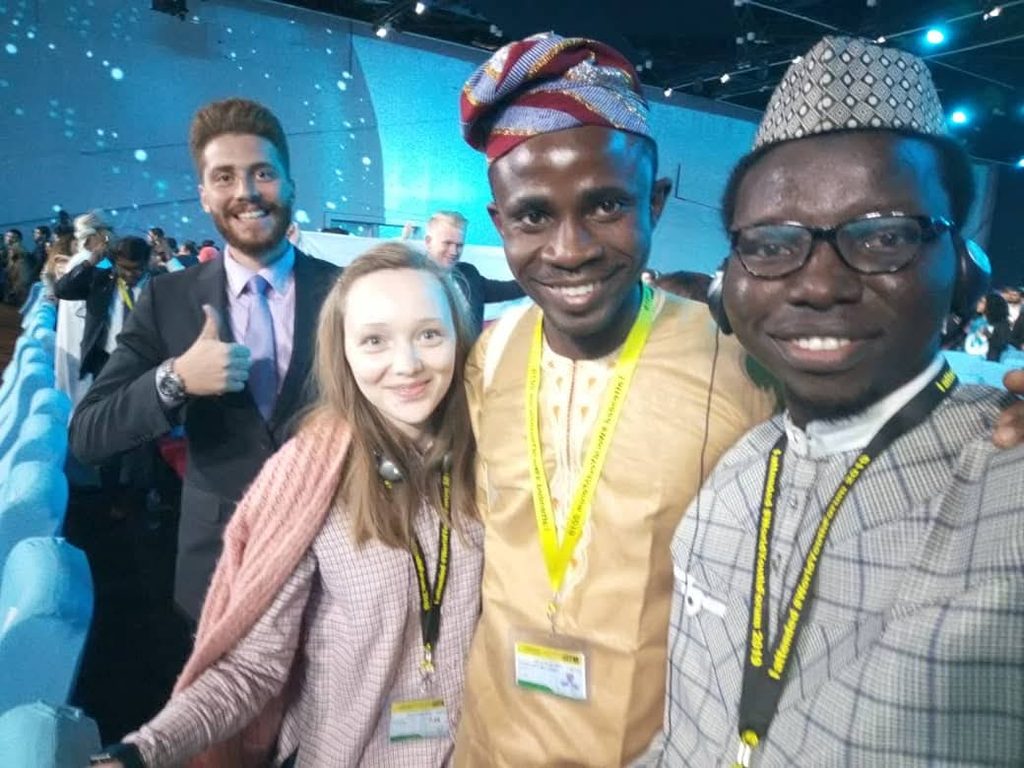
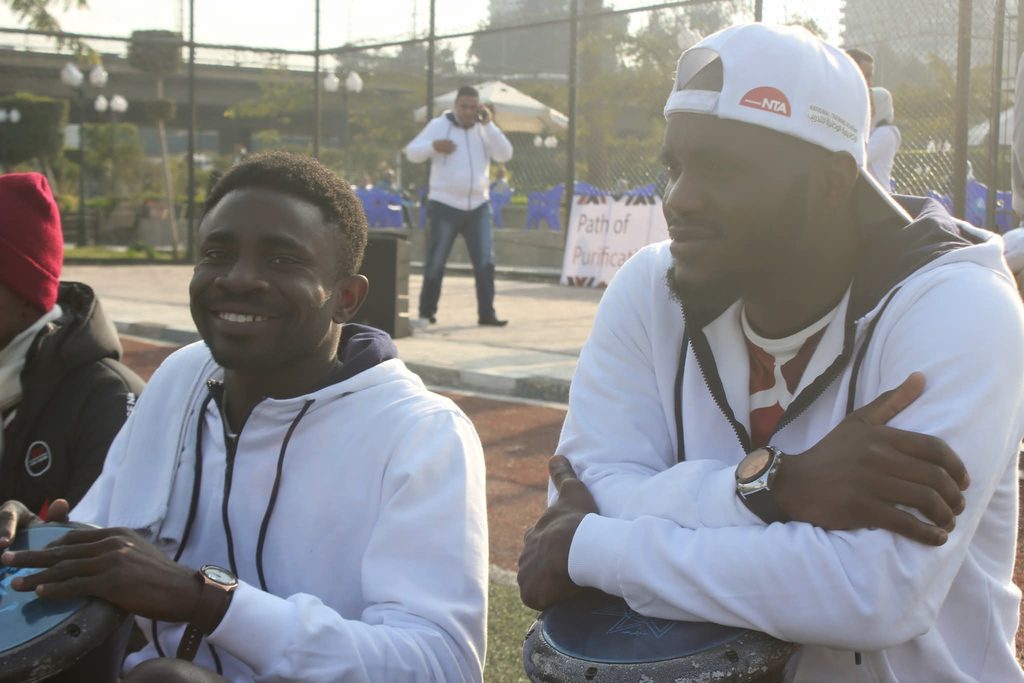
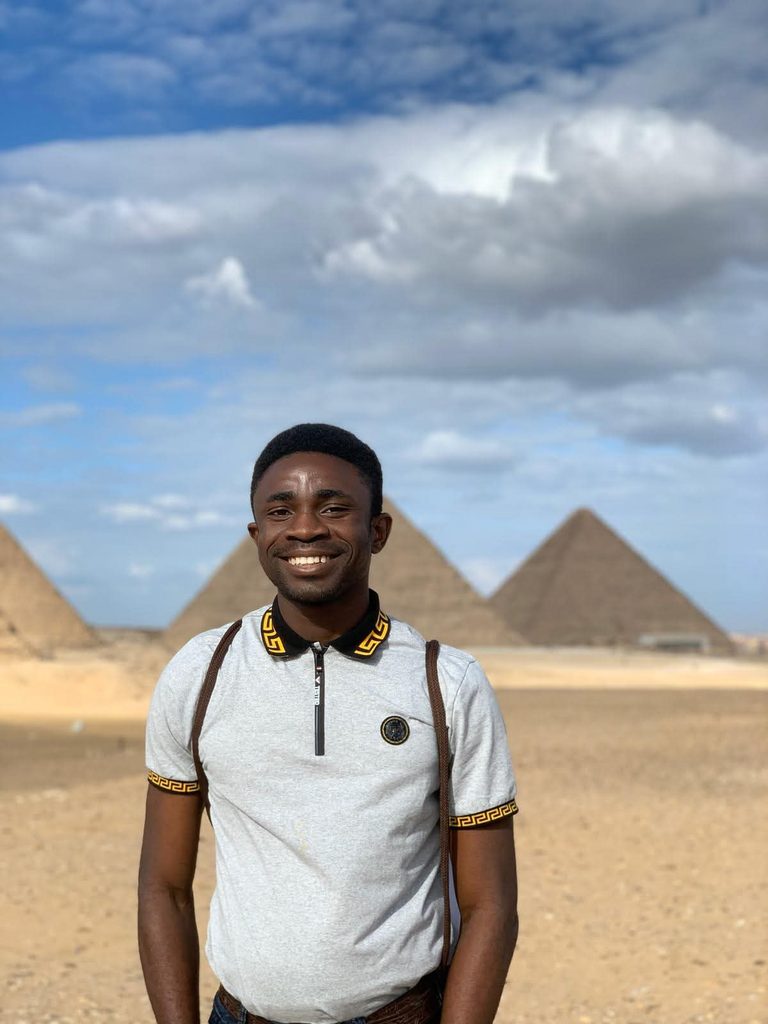
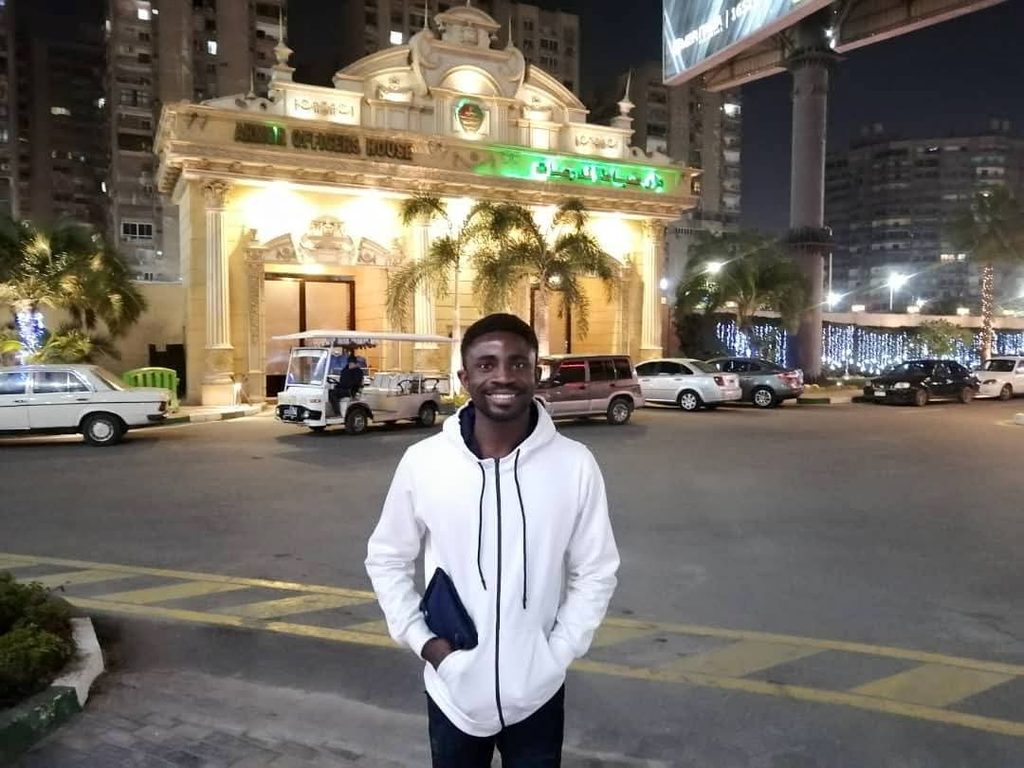
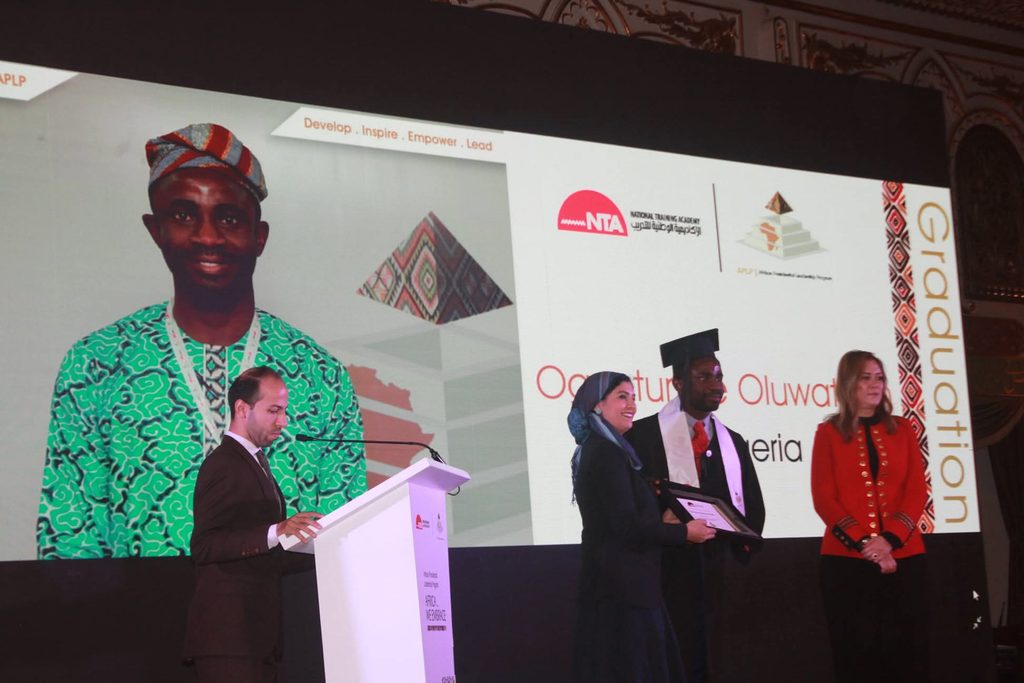
I would tell young people not to put too much pressure on themselves to have everything figured out from the beginning. Sometimes, you only discover what you are good at by trying different things, taking on responsibilities, and learning from your experiences.
I studied Biochemistry, but today I am working in project management, volunteering, and social entrepreneurship. My journey has taught me that your first degree does not necessarily determine the direction your career will take.
I am also currently in the final stage of my Master of Business Administration programme in Entrepreneurship and Innovation at Miva Open University. One thing this experience has reinforced for me is the importance of continuous learning and being able to apply what we learn to solve real problems.
So, my advice is simple: start somewhere. Learn a skill, volunteer, connect with people, and be open to opportunities that can help you grow. And do not compare your journey too much with other people’s journeys. Everyone has a different starting point.
Looking ahead to the next five years, I am excited about developing myself further in international project management, Artificial Intelligence, automation, and innovation.
For Volunteers for Cause, I want to continue contributing to the growth of our global network, strengthening local chapters, building partnerships, and helping more volunteers create meaningful impact.
For the Initiative for Transformative Advancement and Innovation-Driven Development Africa, my goal is to build a more focused and sustainable organisation that uses education, technology, and innovation to address challenges affecting young Africans, particularly those in underserved communities.
Ultimately, I want to look back in five years and see that I have not only grown professionally but have also contributed to creating opportunities and solutions that genuinely improve people’s lives. That is what would make the journey worthwhile for me.
QUICK FIVE: A LITTLE MORE ABOUT ME
1. What book, individual or personal experience has had the greatest influence on your leadership journey?
I would say my experience working with people, especially coordinating volunteers from different countries. It has taught me patience, humility, and the importance of listening. I have learned that you do not always have to have all the answers as a leader.
2. What is one skill you believe every young African should develop?
Problem-solving. I think if you can understand a problem and figure out how to solve it, you will always have something valuable to contribute, regardless of your profession.
3. In your opinion, is volunteering primarily about passion, professional development, or can it be both?
I believe it can be both. You can genuinely care about helping people while also developing yourself. In fact, I think some of the best volunteering experiences are those where you are making a difference and learning at the same time.
4. What is one common mistake young people make when pursuing career opportunities or international exposure?
I think sometimes we focus too much on getting selected, travelling, or receiving certificates without thinking enough about what we want to learn or achieve. For me, the real value of an opportunity is what you do with the experience afterward.
5. Complete this sentence: “Africa’s greatest untapped resource for solving its development challenges is __________.”
The potential of its young people, especially when they are given the right opportunities and support.
ADDITIONAL INFORMATION: PROFESSIONAL PROFILE
Preferred Professional Name and Designations
Oluwatosin Oguntunde
Global Project Coordinator, Volunteers for Cause, World Merit
Founder and Chief Executive Officer, Initiative for Transformative Advancement and Innovation-Driven Development Africa
Project Management Professional | Social Entrepreneur | Youth Development Advocate
Short Professional Biography
Oluwatosin Oguntunde is a Nigerian project management professional, social entrepreneur, and youth development advocate passionate about creating opportunities and supporting sustainable community development.
He currently serves as the Global Project Coordinator of Volunteers for Cause, a global volunteering initiative of World Merit, where he supports volunteer mobilisation, leadership development, partnerships, and community-driven projects across different countries.
Previously, he served as Global Outreach and Engagement Lead for the pandemic-era volunteer initiative known as Volunteers for COVAX, contributing to the coordination of over 2,000 volunteers.
He is also the Founder and Chief Executive Officer of the Initiative for Transformative Advancement and Innovation-Driven Development Africa, an organisation focused on education, innovation, and sustainable development.
Oluwatosin holds a degree in Medical Biochemistry from Ladoke Akintola University of Technology and is currently in the final stage of his Master of Business Administration programme in Entrepreneurship and Innovation at Miva Open University.
Professional and Organisational Links
World Merit:
https://worldmerit.org
Initiative for Transformative Advancement and Innovation-Driven Development Africa:
https://iaidafrica.org
LinkedIn:
https://www.linkedin.com/in/oluwatosinoguntunde
Conclusion
Oluwatosin Oguntunde’s journey is a powerful reminder that purpose is not always discovered at the beginning of a career; sometimes, it is shaped through experience, service and the courage to pursue new possibilities. From Medical Biochemistry to project management, social entrepreneurship and global volunteer coordination, his story demonstrates that meaningful impact is built through continuous learning, collaboration and a commitment to empowering others.
His work reflects the potential of young Africans to create solutions, lead change and strengthen their communities when given the right opportunities and support. More importantly, it shows that success is not only measured by personal achievement, but also by the lives transformed along the way.
As Africa continues to face complex social and economic challenges, leaders like Oluwatosin remind us that innovation, volunteering and youth development must remain central to the continent’s progress. His message is clear: your background may influence your starting point, but your vision, choices and willingness to serve can shape how far you go.
Through his work, Oluwatosin continues to prove that when people are empowered to recognise their potential, they can become powerful agents of change.
Thank you for joining us for this edition of XCROW Spotlight.
XCROW Spotlight — The People. The Stories. The Ideas Shaping Tomorrow.

Israel Otoijamun is a digital business strategist, technology entrepreneur, and the founder of Xcrow, a platform connecting businesses with top remote talent.
With more than 15 years of experience across online platforms, technology, and digital payments, Israel regularly publishes insights on freelancing, tech job opportunities, remote workforce strategies, and modern hiring ecosystems.
Read more about Israel Otoijamun.
Leave your comment
You must be logged in to post a comment.